Occupational Therapy at Home for Children — When Your Child Needs It
Moalij Team · 17 July 2026 · 8 min read · Reviewed by a licensed therapist
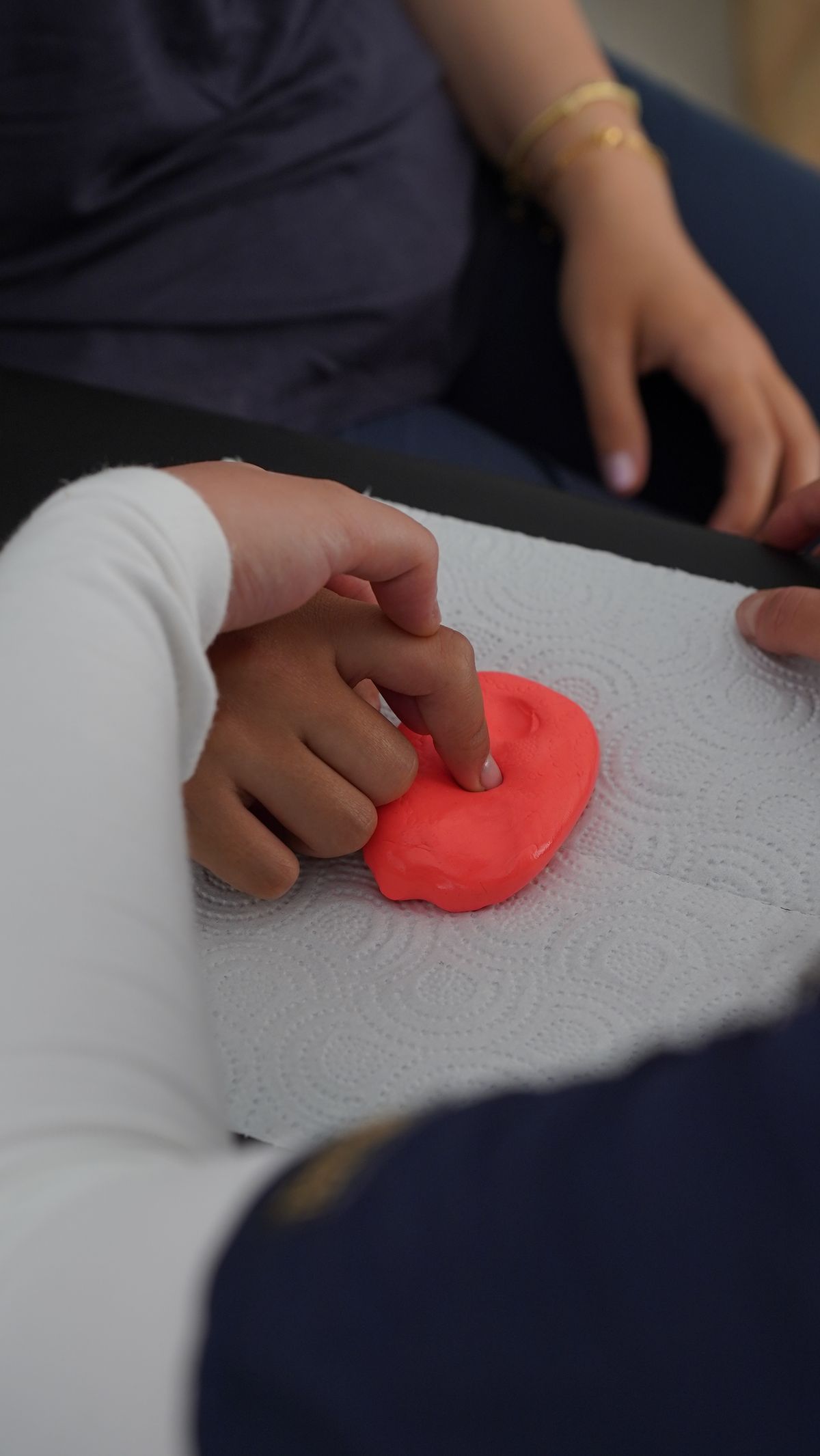
An occupational therapist helping a child build fine-motor skills with play at home.
Occupational therapy (OT) helps children do the everyday “jobs” of childhood — dressing, writing, eating, playing and staying calm. If your child struggles with these more than other kids their age, home-based OT may be exactly what they need.
What occupational therapy really is
OT is not about “occupation” in the job sense. For a child, their occupation is play, learning and self-care. An occupational therapist builds the underlying motor, sensory and coordination skills that make those tasks possible.
8 signs your child may need OT
Very messy or painful handwriting
Avoids messy play, certain textures or loud sounds
Clumsy, bumps into things, poor balance
Struggles with buttons, laces, cutlery
Meltdowns during daily routines
Trouble sitting still or focusing
Delayed self-care (dressing, feeding)
Weak grip or tires quickly when writing
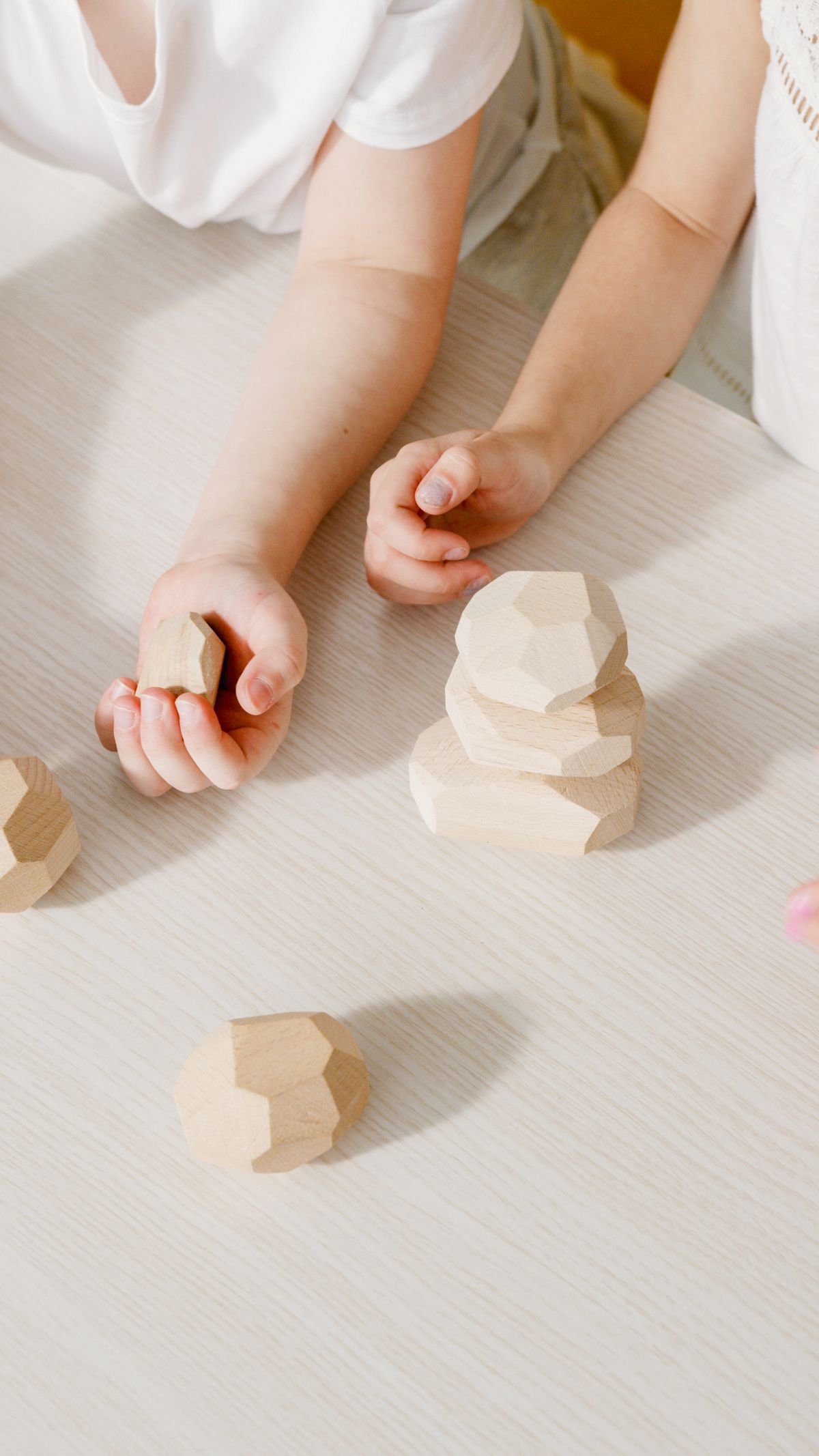
Sensory and fine-motor play set up in a child’s room — an OT session at home in progress.
What a home OT session includes
Sessions look like structured play: threading, balance games, sensory bins and handwriting drills, matched to your child’s goals. The therapist also coaches you so progress continues between visits.
1
Assess your child
2
Set weekly goals
3
Play-based home sessions
How home occupational therapy is structured with Moalij
Parent tip: keep a simple “OT corner” at home — a mat, some textures and fine-motor toys. Consistency between sessions is where the real gains happen.